
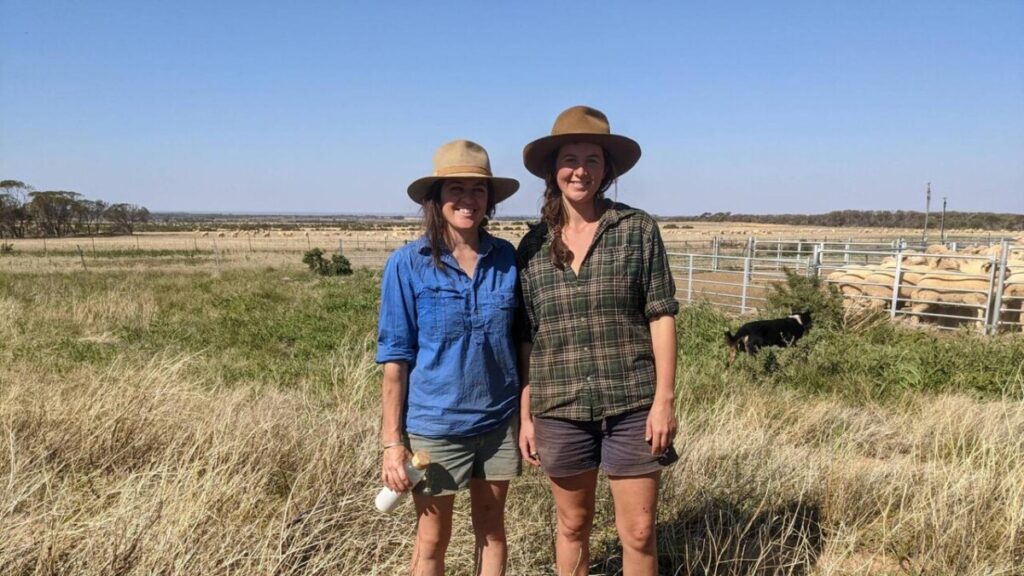
Here are some pointers to begin farming, and they are also good reminders for more experienced agricultural entrepreneurs.
Be clear on your goals and abilities.
Why do you want to farm? Are there other ways that you could achieve your goals with less risk or less effort?
If you aspire to work outdoors with plants, animals or machinery, why not get a job with an existing agricultural business? If you dream about the self-sufficiency of growing your own food and pursuing a rural lifestyle, perhaps approaching farming as hobby would be appropriate.
Can you identify a burning consumer need that your farm business is uniquely suited to fulfill? Congratulations, now you’re thinking like an entrepreneur! As you develop your Big Idea, take time to create and practice an “elevator pitch” so you can explain your farm business concept in less than 60 seconds to someone who knows next to nothing about agriculture.
Before you dive into farming, reflect on what competencies you are lacking, and on how you will address those deficiencies. Working for a successful farm operation (or several) can be a wonderful way to build skills and experience, and give you a head start in your own business development.
Best to have a business model.
Once you have developed a Big Idea, you need to analyse it from all possible angles. If you will be selling any agricultural products at all – even if you plan to start at a tiny scale – you need to consider and plan for all the various functions of a business. The three primary functions you need to address are operations, marketing, and finance. Writing down your plan for each of these areas will help you to think critically and identify weaknesses.
Write a farm operations plan. This plan should describe your production system, including all inputs, outputs, and processes for transforming inputs into outputs. Identify your primary input suppliers to demonstrate that a supply chain exists to support your production system. Consider transportation and storage needs. Educate yourself about local, state, and federal regulations that may affect your business, and discuss what steps you will take to comply.
Write a marketing plan. Describe your target market and their critical need that your business is uniquely positioned to meet. This section should explain how you will approach the 4 P’s of marketing – product design, placement, pricing, and promotion – to reach your specific target market. This applies regardless of whether you are selling your product to the end consumer, or to a wholesaler or other intermediary buyer.
Write a financial plan. What is the projected scale of your business in 3, 5 or 10 years? Will the business be profitable at that scale? How long will it take make a profit, and how will you fund the start-up phase? How much will you, the owner, take out of the business to support your cost of living?
There are many questions you have to make about what is good for the business and what is good for you. You need to be optimistic as you will have both good and bad days. Being optimistic means that you possess an overall positive outlook of the world, trusting that good things will happen and that people’s desires will be fulfilled.1 On the other hand, being pessimistic means you assume a negative outlook of the world.
While most people fall somewhere in the middle between being a complete optimist and being a complete pessimist, we usually favour one outlook over the other. Learn how infusing some optimism into your life can benefit your health.
Choosing to be optimistic offers surprising benefits. These include:
- Confidence: Optimism is linked with increased levels of confidence, especially when it comes to making decisions and feeling secure with the choices you make.2
- Decreased risk of illness: A study from the University of Pittsburgh concluded that women who had an optimistic outlook had a 30% lower risk of heart disease.3 A University of Michigan study linked optimism to a lower risk of stroke.4
- Improved quality of life: One study found that people who were optimists and had positive expectations about the future experienced an improved quality of life when compared to people who had low levels of optimism and to pessimists.5
- Longer lifespan: Research published in the Canadian Medical Association Journal found that optimists are less likely to experience disabilities as they get older and end up living longer than pessimists.6
- Mental health benefits: People who are optimistic tend to experience less stress and feel a greater appreciation for other people.7
- Relieved depression symptoms: Optimism is linked with lessening the symptoms of depression and even reducing suicidal ideation.5
- Sleep quality: Being optimistic may improve your sleep quality, which is a key component in improving and maintaining your mental health.
- Though it can be hard to remain positive in the face of obstacles, remember that optimism is a skill you can learn. Start with one small step. Maybe you choose to catch yourself the next time you’re dwelling on a negative thought and swap in a positive thought instead.
- If you find that your negative thoughts are distressing and reducing your quality of life, try reaching out to a mental health professional, like a therapist, who can help you understand your thought patterns and work with you to find better coping skills.
Best if your new business is separate to your personal finances.
Before you spend a penny on the farm business, open a new checking account for all of your farm transactions. To open a business checking account, you will first need to visit the county clerk’s office and file a DBA form to register your business name. Having separate personal and business checking accounts will make it easier to distinguish between farm and non-farm expenses, which is critical for accurate record keeping.
Aim to grow, but also manage risk and plan for failure.
Farming is an incredibly risky venture, and it takes a colossal investment of time and money to get started. Minimize your financial risk as much as possible by financing the business from savings or business earnings, rather than debt. Grow slowly. Live frugally. Be prepared to keep an off-farm job for years until the business is large enough and stable enough to support you.
Then there are the unknowns. The pandemic completely changed the way we think about work in both good and bad ways; in some ways, we were allowed more flexibility, yet in others, we had less stability. Young people were not only hit hardest by COVID-19 job losses in the short-term, but the disruption of entire industries, traditional offices, and career pipelines will affect them for years to come.
For those early-on in their career, it’s hard not to worry! When you feel like it’s impossible to be optimistic about your future, remind yourself of three facts:
- Don’t let your job define how you live
While feeling like a productive member of society is important for mental health, defining yourself by the work that you do isn’t healthy either.
No matter whether you’re unemployed, in your dream role, or stuck in a job you hate, developing interests and hobbies outside of work is crucial. Having strong relationships and personal interests will help develop the self-worth and resilience we’ll need to navigate the future highs and lows of life, work included. - People want to help you
There are lots of people in every industry who actually want to help young people find the right path. If you’re feeling stuck or confused by the changes affecting your desired industry, ask for guidance! Make a list of people whose work you admire, and email them to ask for advice – you’ll be surprised how many people are happy to help.
Reach Out also has a list of organisations dedicated to helping young Australians navigate the working world. - Uncertainty brings opportunity
15 years ago Instagram didn’t exist… Today, plenty of influencers have leveraged the platform into lucrative, full-time careers. We often associate change with fear; instead, shift your mindset to focus on the unknown opportunities.
There’s every chance that the most enjoyable and rewarding job for you doesn’t even exist yet… but it could soon!
Something else bugging you?
Learning the basics of gratitude, control, and connection will help you find an optimistic mindset no matter what’s worrying you. The future will always be uncertain – whenever you start to feel overwhelmed, ask yourself these three questions:
- Gratitude: What am I thankful for in my life right now?
- Control: What’s one thing I can control about this situation now?
- Connection: Who can give me some perspective on this?
Consider starting your business on rented land. Renting is almost always cheaper and less risky than buying. Plus, you can gain experience to know exactly what you will need if you decide to buy land in the future. Develop a sound lease agreement to protect your access to rented land and any investments you make in a rented property.
Have an exit plan from the very beginning. What happens if the business doesn’t work out, or if you decide to downgrade it to hobby status? What happens if you have an unexpected medical emergency? How quickly can you liquidate your farm business assets, and how much are they worth? Having a plan for your worst case scenario can help to take some of the pressure off, and reduce the stresses of navigating the start-up stage.
Relationships with others is important.
Connect with other farmers, extension agents, and agricultural service providers in your community. Building relationships with other producers, especially older generations, can be incredibly valuable and satisfying for all parties.
Ask other farmers lots of questions, not just about production, but especially about finances. Be generous in supporting other farm businesses in your community. Establishing strong ties with the agricultural community will give you access to resources for support and information. A solid social network can help you make better decisions and grow your farm business faster.
Good luck with your decision of how to get into farming.