
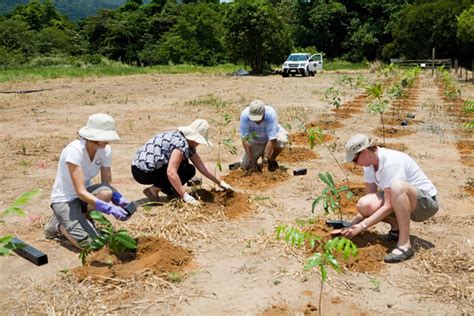
Trees are of invaluable importance to our environment and to human well being. They give us clean water to drink, air to breathe, shade and food to humans, animals and plants. They provide habitats for numerous species of fauna and flora, firewood for cooking and heat, materials for buildings and places of spiritual, cultural and recreational importance. Trees are so important for the global environment and the health of the species that live there, and they need our unconditional care and protection.
Trees are nature’s most precious creations. Trees are here on earth a few million years before the arrival of humankind and are an extremely crucial part of the ecology and its functioning. It is impossible to imagine the existence of any life forms on the face of the earth without the trees.
1. Trees Are Our Only Source of Oxygen
Creatures on the earth are alive because they inhale oxygen from the air, which helps run their bodily mechanisms and exhale carbon dioxide as a by-product of the function of the body. Nature’s only source of oxygen is the trees. Through a process called photosynthesis, trees prepare food for their survival.
This process requires carbon dioxide from the air as a material and produces oxygen as a by-product. Trees emit this gas into the air, increasing its proportion and thereby meeting the need of the living creatures. An acre of land full of mature trees can produce enough oxygen for 18 people in a year.
2. Trees Absorb Other Harmful Gases
Trees absorb pollutant gases like nitrogen oxides, sulfur dioxide, ammonia, and ozone from the air and purify it. They filter particulates out of the air and trap them on their barks and leaves.
- Trees are Source of Food and Nutrition
Trees are the major source of food and nutrition, not only for human beings but also for birds and animals. The fruits borne by the trees are consumed by humans and wildlife alike. If we look into our daily lives, we can see that apart from meats and dairy products, everything we eat comes from trees and plants.
Even the nutrition that we gain from meat and dairy products emanate from the trees as the animals from which these food materials are drawn live on plants, grasses, and trees. Food items that trees offer us have all the necessary protein, carbohydrate, and fat along with vitamins and minerals to keep the body healthy and active.
4. Trees are Primary Source of Energy
Trees provide woods which are a primary source of energy in rural areas. Prior to the production of electricity, woods were the only source of energy for human beings. Moreover, trees are one of the essential components of fossil fuels, which is the primary source of energy in modern civilization.
- Trees Help Conserve Energy
Trees sprinkle water through their pores on the leaves which are generated in the process of photosynthesis. These water particles keep the air cold and moist and lower the temperature. Thus, more trees mean less heat and even lesser requirement of air cooling machines like air conditioners, which means conservation of energy.
6. Trees Provide Shelter
Trees are great shelters for human and animals alike. Birds make their nests on the branches and stems of the trees. People can rest beneath the tree on scorching summer days. Besides, parts of trees are also used to make houses. In rural areas, people use leaves, branches, and wood of the trees to build homes.
In urban areas also wood is the major component in making doors, windows, floors of the houses. Woods are also used to make furniture and even modes of transportation like ships. However, keeping in mind the ill effects of indiscriminate cutting of the trees for human use, alternative materials are now applied for the said purposes.
7. Trees Provide Livelihood to People
People earn their living harvesting and plucking fruits from the trees and practicing agricultural activities. There are many small business opportunities that are based on farm products like food processing industry.
Large scale industries like textile industry are based on the production of cotton, the sugar industry has the primary source of material as sugar cane, and jute industry uses jute as their sole raw material to produce various products. Then we have the handicraft industry which uses woods to create magnificent art pieces.
8. Trees are Healer of Diseases
Plants and trees have a plethora of medicinal values. They can heal patients from deadly diseases. Human beings have produced medicines to protect themselves from diseases using these therapeutic properties of the trees. Neem is one such tree that has enumerable health benefits.
9. Trees Help Save Underground Water
Trees are the most significant factor contributing to the formation of cloud and rainfall. As there is more rainfall, the possibility of having the right groundwater level is high. Besides, trees catch water and snow in their leaves and send the purified water to the aquifer through the roots. Planting trees is the eco-friendliest method of ensuring efficient conservation of groundwater level.
- Trees Prevent Soil Erosion
The roots of the trees hold the soil on which they grow very strongly. This prevents the erosion of soil due to rain, flood, and air movements. As a result, events such as landslides on the hilly regions tend to get lower. Moreover, by preventing soil erosion, trees reduce pollution levels, protect loss of fertile land, and slow down the process of sedimentation on rivers and streams.
11. Trees Protect Eyesight
The color green is perfect for the eyes. It has a soothing effect on them and helps them function better. Moreover, trees absorb dust from the air and thereby reduces glare which again minimizes the stress on the eyes.
12. Trees Block Sound
Trees block sound in the jungle of their leaves and thus reduce noise pollution, which can be as much as 40 percent.
13. Trees Safeguard Our Environment From Climate Change
The recent heating up of the planet due to the rise in the concentration of greenhouse gasses in the atmosphere is radically changing the climate of the earth. Trees are the best solution to prevent this disaster from progressing.
14. Trees Prevent Development of Deserts
Deserts are highly inhabitable places of the earth. Growing trees can transform them into an oasis and make them far more productive and habitable.
15. Trees Enhance Fertility of Soil
The decaying leaves and other parts of the tree add to the fertility of the soil and improves soil microorganisms.
16. Trees Provide Better Animal Habitat
Increased number of trees create better habitat for birds and animals and allow them to grow.
Other Important Benefits of Trees
- Lowering the crime rate by enhancing community pride and increasing income opportunities.
- Protecting people from the harmful ultraviolet raysof the sun.
- Lowering dews and frosts in agricultural areas.
- Ensuring the sustainability of the human race along with its cohabitants.
If you’ve got extra land on your small farm that you aren’t using, why not plant some firs, pines and spruces and start your own Christmas tree farm?
You can grow Christmas trees on land that isn’t practical for growing conventional crops or setting up other things like pastures or chicken coops.
The big downside to growing Christmas trees is the amount of time it takes to grow them.
Unlike other crops that only take a season to grow, you’ll need to wait 8 to 10 years from planting to harvest of your trees.
Christmas trees still require some care as well, such as shaping and pruning.
You’ll need to make sure a single leader is pointing upward and shear each tree every summer once they’ve reached about 5 feet in height to make sure the branches grow thick and form the traditional Christmas tree shape.
Overall they don’t require a tremendous amount of work though. People often prefer to harvest their own Christmas tree, which further cuts down on your own labor!
There’s also a narrow window of time that Christmas trees are profitable. People only want them during a very specific time of the year. So it’s a very seasonal crop.
You can add to your Christmas tree business by also growing holly, making your own fresh wreaths and much more.
Example: Elliot Tree Farm, a family run Christmas tree farm in Ontario, Canada
Plant Nursery
A plant nursery helps with your own farm by giving you a head-start on the growing season.
You can start your plants in a greenhouse weeks before the risk of frost has passed and weather is not yet warm enough to plant them outside.
You can also grow extra seedlings to sell to other farmers or to home growers with extra space that you’ve got. People will always want small plants.
Nurseries scale well. You can start small with almost zero capital and just some seeds, cuttings and soil that you already have.
Try raising 10 or 20 extra plants and see if you can sell them on Craigslist or Gumtree.
The main thing you’ll need for a plant nursery are good propagation skills.
A plant nursery won’t produce much income if your beds are full of unsprouted seeds or dead cuttings.
It’s best to pick up these skills by volunteering or working for an existing nursery before starting your own.
Example: The Agrofestry Research Trust runs a nursery stocked with a wide range of specialist food crop trees and shrubs.
Forest Gardening
(image: Agroforestry Research Trust)
- Consider the Landscape
Deciding how to use land to satisfy different human needs can be challenging, especially because traditional agricultural and development practices often result in deforestation or land degradation. A “landscape approach” seeks to balance how people use land to grow food, generate energy or build infrastructure with the natural environment. This could mean preventing the expansion of agriculture into nearby forests, limiting potential leakage from restoration efforts, or even integrating trees within existing farmland.
One suggestion to start a new business would be to approach a farmer and tell him / her that you will grow and maintain a tree lot that you will hand over to the land owner in 15 years time with mature trees that give all the benefits IF they give you agreed access to the land for the growing 15 year period. You will be responsible for the tree planting, fencing to keep livestock out, on going maintenance. Each year (suggest in June as it is a quiet month on the farm), you and the land owner will meet to review the tree lot, count number of trees still alive, how many should be replanted, maintenance issues and other business details. This will occur for 5 years that is actual on ground training for future financial benefit. After the first 5 years of these annual meetings, then from year 6, the trees number and growth / benefit to the land owner measured with financial consequences. You will financially compensate the land owner if 80% or less of the trees planted are still alive AND the land owner will financial reward you for the benefits he / she receives from the tree lot.